In the autumn of 1689, the poet Matsuo Bashō set out on the journey that would become Oku no Hosomichi — the Narrow Road to the Deep North — walking over a thousand miles through the interior of Japan, composing haiku as he went. He carried a brush. He carried ink. And when a poem came to him at a particular place — a temple, a waterfall, a bend in the road where the light fell in a way that demanded to be remembered — he did not merely write the poem. He painted alongside it: a quick sketch, a wash of ink, a few strokes that said something the words alone could not. The combination of poem and image was, for him, a single act.
That single act is what this site is.
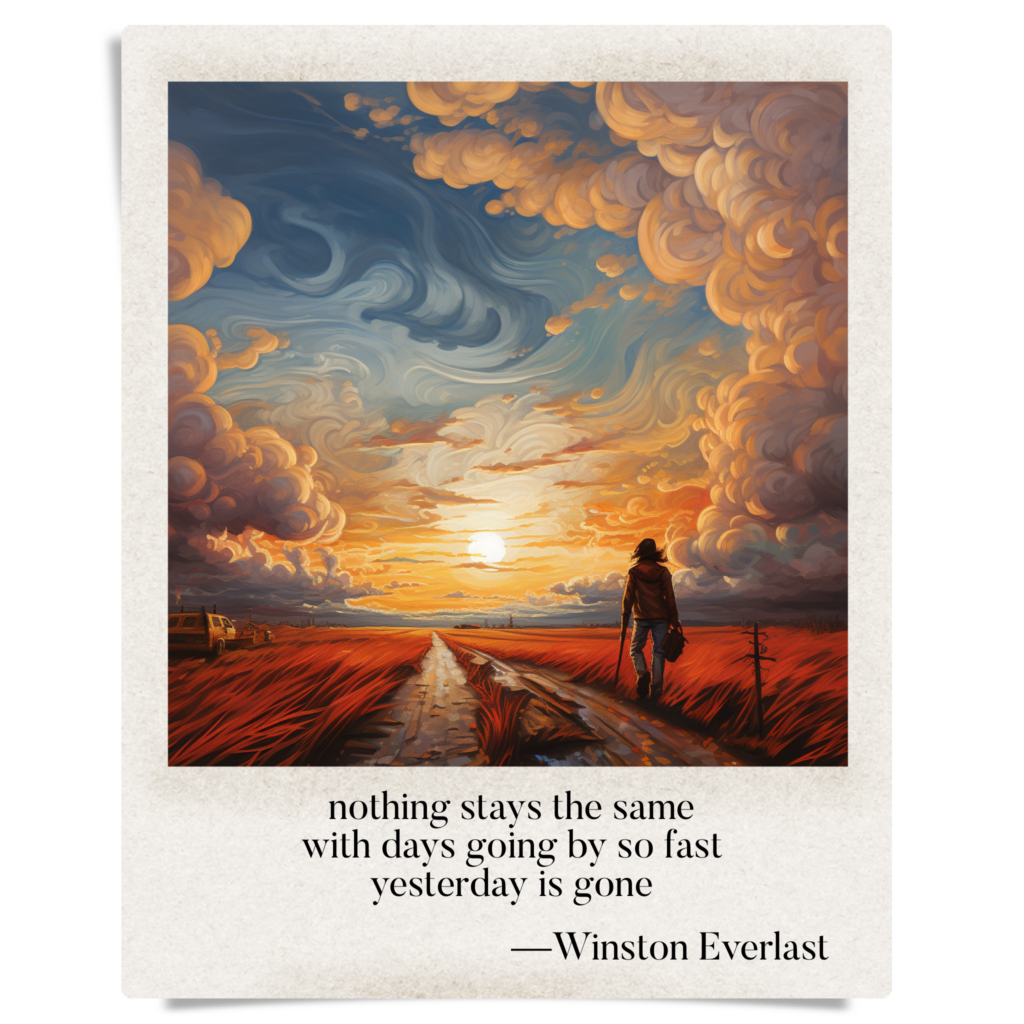
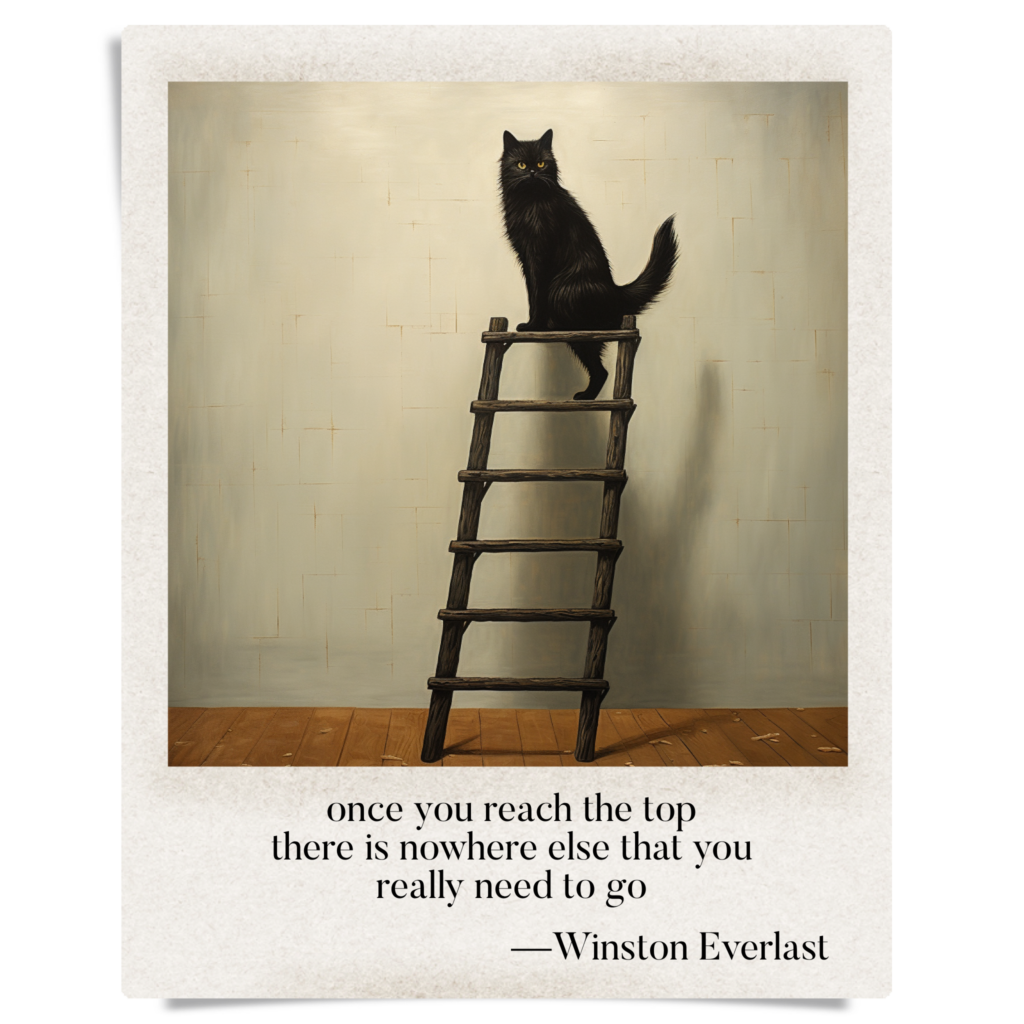
Haiga (俳画) is one of the oldest continuous art forms in the Japanese tradition, and one of the least known in the West. Its name combines hai, the root of haikai — the comic-poetic tradition from which haiku, senryu, zappai, and katauta all descend — with ga, meaning picture or painting. Haiga is the poem-painting: a short verse and a visual image placed together in a relationship that is neither illustration nor caption, but something more elusive and more interesting. The image does not explain the poem. The poem does not describe the image. Together they create a third thing that neither could make alone.
The history
The first illustrated haiku appeared in the work of Nonoguchi Ryūho in the seventeenth century, but it was Bashō who established the form as a serious artistic practice and gave it its philosophical foundation. For Bashō, poetry and painting were not separate arts but two expressions of the same impulse: the impulse to stop time, to hold a moment of perception so precisely that it could be entered again by anyone who encountered it. His haiga were characteristically simple — a poet who painted, not a painter who wrote. The traditional aesthetic of haiga, as the scholar Leon Zolbrod has written, is characterized by “free and flowing line work and elimination of unnecessary detail,” often carrying “a light or frivolous touch suggestive of irony or amusement, even when the subject of the painting is serious.” Simplicity and irony: the twin virtues of the form.
The master who brought haiga to its greatest artistic height was Yosa Buson (1716–1784), widely considered the second of the great haiku masters after Bashō, and said to be the only figure “to be included in surveys both of great poets and great painters in Japanese history.” What Buson understood, and what his haiga demonstrate with extraordinary clarity, is that the poem and the painting in a haiga are not required to match. They are required to resonate. In the twentieth century, as haiku traveled westward, haiga traveled with it — adapted for photography, digital illustration, collage and mixed media. The work on this site is the newest point on that long line.
The instant and the eternal: the Polaroid dimension
On November 26, 1948, the first Polaroid Land Camera went on sale at a Boston department store and sold out the same day. What Edwin Land had invented was not merely a faster camera; it was a different relationship between the moment of capture and the image that resulted from it. The image emerged from the camera while you were still in the moment that produced it. The Polaroid was an act of instant memory.
Every haiga here is framed as a Polaroid, and the reasons are deeper than aesthetics. The haiku moment — the instant of perception the form was built to capture — has always been about the present tense: the thing that is happening right now and will not happen again in exactly this way. The Polaroid is the photographic form that most honestly represents that quality. It is an image made in a moment, fixed in that moment, slightly imperfect in the way that all moments are imperfect. It does not pretend to be timeless. It is, very specifically, then. And it knows it. The white border contains poem and image; the square frame equalizes them. Neither is permitted to overwhelm the other. They share the space the way a conversation shares a room.
MidJourney: an engine for the imagination
The images are made with MidJourney, the generative image system David Holz launched in 2022 with the stated purpose of expanding “the imaginative powers of the human species.” Winston Everlast began using it at its public release in July 2022 and made his first haiga the following month. He has worked through every major version of the model since, making haiga as both an artistic practice and an inadvertent chronicle of how machine vision developed in real time: the dreamlike, gloriously unreliable early versions; version 4’s arrival at near-photographic coherence; the polished middle versions that had to be pushed away from perfection; version 7’s shift from response toward interpretation. He does not go back. Each haiga is a record of the moment it was made, in the version of machine vision that existed at that moment. Going back would falsify the record.
How a haiga is made
The process begins, as all poetry begins, with a line. The poem comes first, written in the discipline of strict 5-7-5, shaped until it is as precise and compressed as the form requires. Once complete, the poem becomes the prompt — entered into MidJourney exactly as it appears on the page. The selection criterion for the resulting images is deliberately subjective and deliberately demanding: the image must move him. It must produce a reaction — laughter, sadness, discomfort, surprise, recognition — before he considers whether it relates to the poem at all. Illustration is not the goal. The goal is resonance. He does not edit or inpaint; he works with what the model produces or he starts again. The model makes what it makes. The poet chooses or refuses.
Is it art?
The question surrounds all AI-generated imagery, and the answer here is to point to the haiga tradition itself. Some of the greatest haiga were collaborations — Bashō’s poetry paired with Morikawa Kyoroku’s paintings, each artist responding to the other’s work. The question of who made which part was never the point. The question was always whether the combination produced something that neither element could produce alone. The haiga form has never required that the poet and the image-maker be the same person. It has required only that the two elements, placed together, produce a third thing — a resonance, a question, a moment of recognition — that justifies the combination. By that standard, these haiga stand or fall on their own terms, as haiga have always done.
Bashō carried a brush. The author carries a prompt. The road is still narrow. The deep north is still deep.