A Wise Person Learns
From fool to wisdom, ending on Socrates.
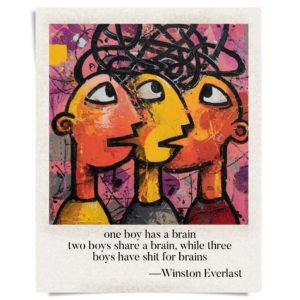
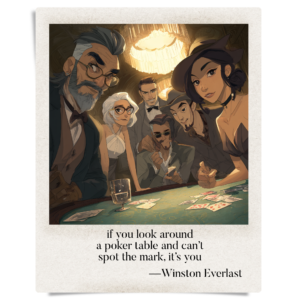
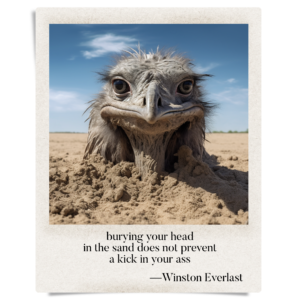
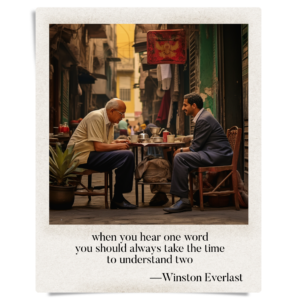
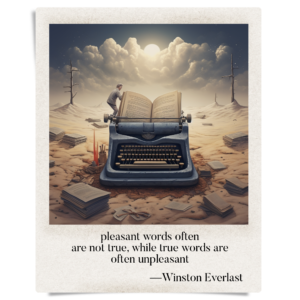
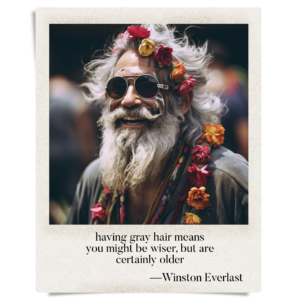
From fool to wisdom, ending on Socrates. It begins with a parade of collective nouns — a folly of fools, a confusion of morons — before the title poem sets the terms: the wise learn more from fools than fools will ever learn from the wise. The first verses are folly in action: the mark at the poker table, the head in the sand. Then learning itself — asking questions, being proven wrong, forgetting the old to make room for the new. The later haiga weigh words (their value, their truth, the ones you can’t swallow back) and the advice of elders and books. It closes on the oldest paradox: Socrates was wise because he knew he wasn’t.
The haiga, in order
33 haiga · as they appear in the video










Take a haiga home
Every haiga in A Wise Person Learns can become a print or a gift. Browse the Gift Shop, or write to ask about a particular one.
Visit the Gift Shop → Ask about a print